
Nobody Sees the Anchor. Everybody Sees the Drift.
Outlook went down. Then the FAA grounded flights nationwide. Then the banks. Then United. Then the NSA's own network. All in the week Presidents Trump, Xi and Putin sat down together for the first time.
I don't want to get into the political side of it. But as a marketer, I'll tell you how it read to me: like a campaign. Like somebody set up a content calendar. Day one, we do this. Day two, we do that. Day three, that. It seemed like there was a message being sent in each and every one of those events. We keep being told it's all a coincidence. Maybe that's part of the message.
What actually broke
Here's what we do know. The FAA's trouble started at a radio site that was still switching from copper wire to fiber. Microsoft's came from a software defect that had been sitting quietly since July. Nothing cinematic. Old plumbing, under load, that nobody was watching.
Nobody sees the anchor
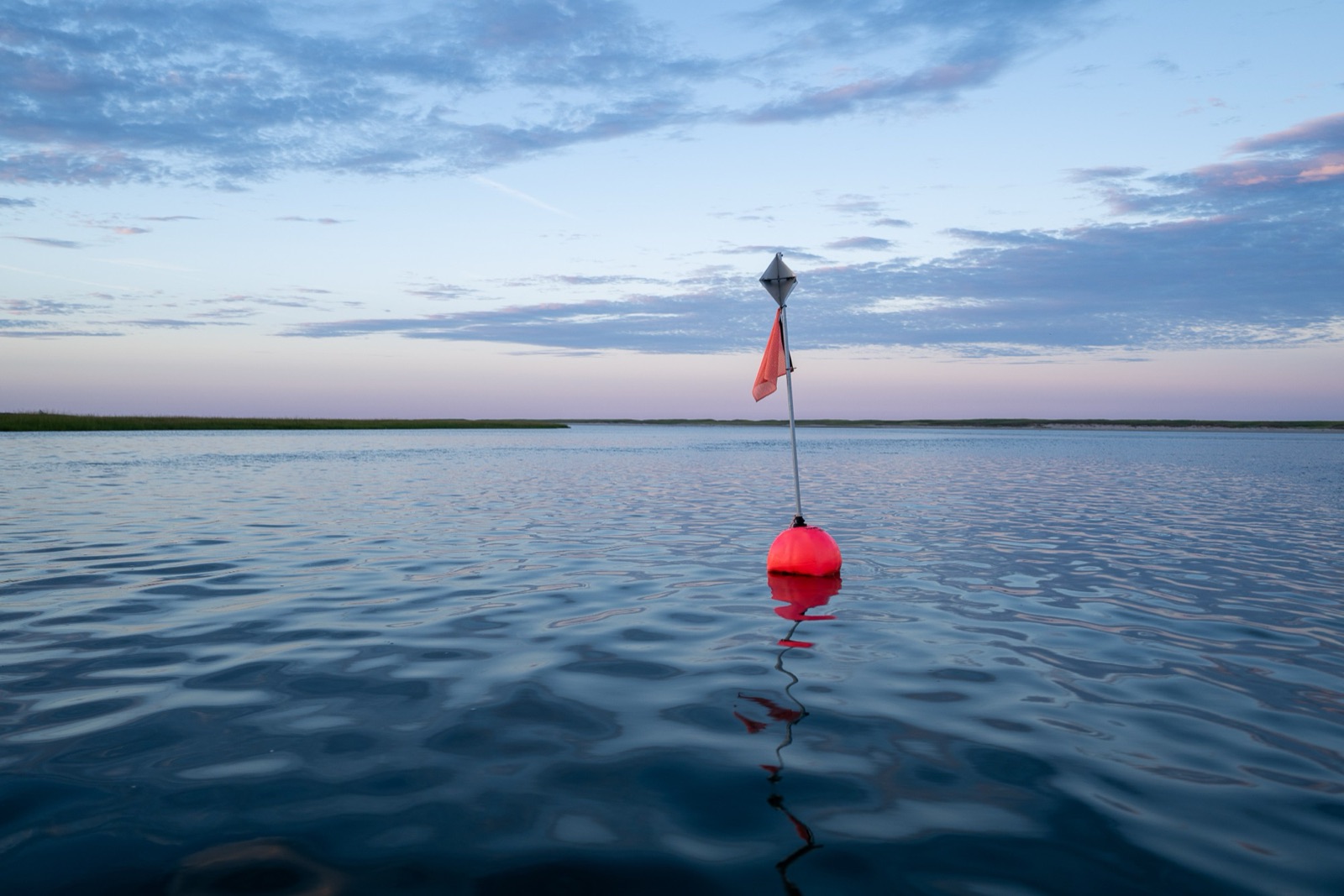
A buoy marks the channel because it's anchored. Nobody looks at the anchor. It's under water, doing its job. You only notice something's wrong when the buoy isn't where it's supposed to be.
Nobody sees the anchor. Everybody sees the drift.
At Backbone we call it the Anchor: the part nobody sees, and the reason everything else holds. Your brand and core values, the measurement that proves what works, a team that's fluent in AI. Get the Anchor right first. Then the Channel. Then the Signal.
Where B2B marketing is drifting right now
AI. Across the board. No matter which app you go into, there's a new AI function to do something for you. So here's the question: how are the AI tools in all those channels being managed and controlled, so your brand voice stays intact, your brand design stays intact and your overall strategy stays intact?
If you're a large enterprise, maybe that's well managed. If you're a B2B company with a small marketing team, there's a very good chance it's way too much for one, two or three people to stay on top of. And guess what? The technology isn't standing still either.
Your copper wire
In most B2B companies, the copper wire is the connection between the website and the CRM, and the APIs running in the background. It's the website's own infrastructure, especially if it's WordPress on an aging version of PHP. A lot of it is outdated and insecure.
A website might look modern, but get under the hood and there are problems with the way it's coded, the way it works and the way it talks to the answer engines. Most B2B websites built more than a year ago aren't up for what AI search engines are doing right now. If I had to rank the copper wire, I'd put the AI answer engines at the top, and everything else right behind them.
Put your strategy where your AI can check it
The fix is centralizing your marketing strategy, with AI as part of it.
Think about how the work gets done. Your marketing and creative people, inside the company and out (agencies, freelancers, vendors), all feed inputs into your marketing plan. As the marketing leader, you're in the driver's seat: you approve what goes out to every channel where your brand is promoted, advertised and seen.
That approval used to rest on the director alone. It still does, but now AI can support it. Write down the direction of the company (brand voice, messaging, colors, aesthetics, copywriting style) from the top of the company down to the campaign and even the ad group. Keep it in files your team can update. Then let AI check everything against them before it goes public: a stringent checker, so the consistency holds.
For a small B2B team, there are two ways to get there. Build that system yourself, or work with a partner who has already figured it out and can act as that layer for you, in support of your overall strategy.
Check your anchor this week
- List the systems your marketing runs on (website platform and PHP version, forms, CRM and the connections between them) and when each was last looked at.
- Find the one nobody owns.
- Check how the answer engines see your website.
- Write down your brand rules (voice, messaging, colors, style) somewhere your AI tools can check against.
- Put a six-month refresh on the calendar instead of a three-year rebuild, one that doesn't drain your budget or your team.
How's your anchor?
Start with a quick look. Take the 60-second check: five questions on how ready your web presence is for AI-era buyers. No email needed. If it makes you curious, you can book a call on the same page, and I'll look at your AI visibility and your website, and we'll talk about your strategy and goals.
Published November 18, 2026. How we help with websites →
Keep reading
- A new look for Backbone Media, and a few new ways we can helpOctober 27, 2026 · B2B Newsroom · Website Design & Development
- Introducing AI Teach and AI OptimizeOctober 27, 2026 · B2B Newsroom · B2B Marketing Trends
- The Five Things You Must Do Before You Buy Any Marketing Automation SystemAugust 10, 2016 · B2B Marketing Trends · Inbound Marketing
Questions people ask about websites
How much does a B2B website redesign cost?
It depends on whether you need a reskin or a rethink, and how many pages and integrations are involved. We quote every project up front, after a free call, so you know the price before work starts.
If you need something live quickly, Backbone Starter includes a branded landing page for $1,750 a month.
How long does a website redesign take?
A reskin can take a few weeks. A rethink takes longer, because the questions come first: who the site is for, what it must say, and what it must do.
Building with AI has shortened the design and development part a lot. The thinking still takes the time it needs.
Will a website redesign hurt our search rankings?
Not if the move is planned. We map every old address to its new page, set up permanent (301) redirects before launch, and check the site after it goes live.
Most ranking drops after a redesign come from missing redirects and lost content, and both are avoidable.
Let’s find your channel. One project at a time.
Tell us where you want to go. We’ll come in knowing the big picture, and start with the one project that moves you most.
Prefer to talk? (781) 704-3121